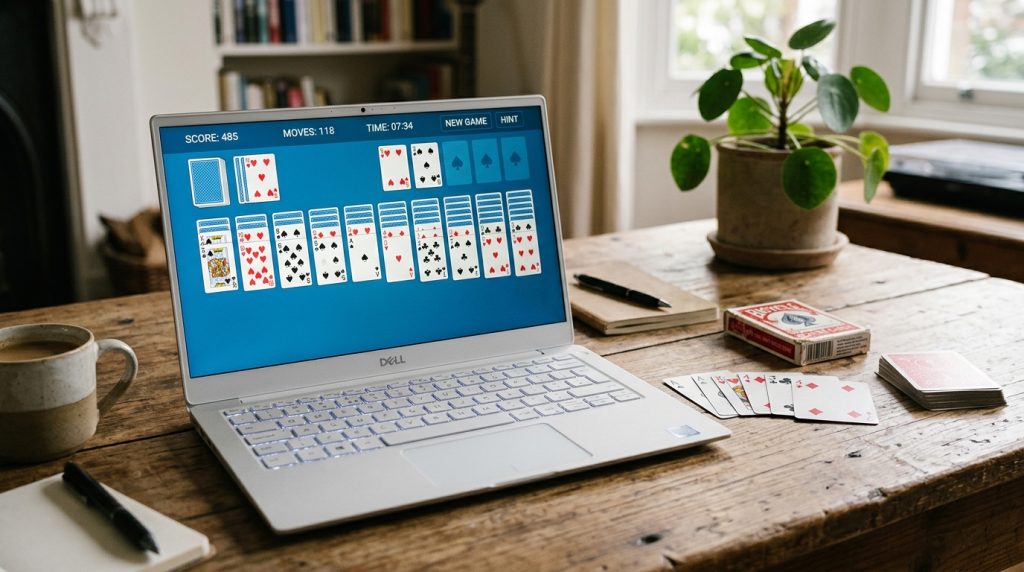

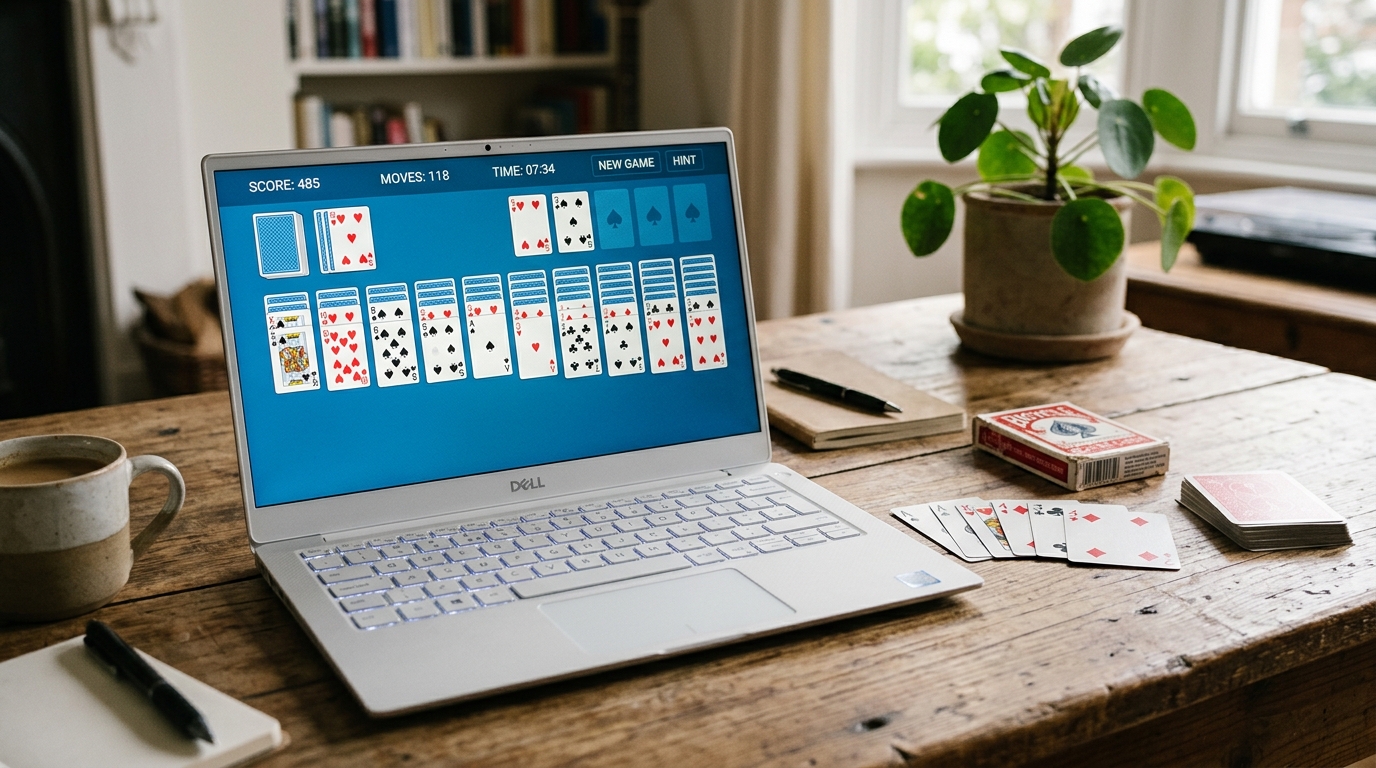
spider solitaire sequence planning is useful only if it changes the next move. A good puzzle post should feel like practical help from another player, not a lecture from far away.
On Solitaire Spider Online, that means keeping the advice close to the game. The reader can play one round here, then use Easy Daily Puzzle when they want a wider shelf of daily puzzle choices.
Start locally with Solitaire Spider Online main page. If the mood changes after this game, browse more puzzle games on Easy Daily Puzzle is the natural next stop.
spider solitaire sequence planning starts with a cleaner first pass
The useful practice is to value flexibility: reveal hidden cards, preserve empty columns, and keep mixed suits temporary. This first pass is not a delay. It is how players avoid fighting the hardest part before the easy information has been used.
That calmer opening also makes the game feel more fair. The player sees more of the board before committing to a move that may be hard to repair.
How to practice spider solitaire sequence planning without overthinking it
The best practice plan is small. Pick one habit for the next round and watch whether the game becomes easier to read. If it helps, keep it. If it does not, drop it and try another.
This keeps spider solitaire from turning into homework. The goal is not to master every trick today. The goal is to make fewer messy moves than last time.
- Protect empty columns until they can reveal or repair something.
- Expose hidden cards before polishing visible stacks.
- Treat mixed suits as temporary scaffolding.
- Delay the stock until the current board has been squeezed.
- Ask what a move opens before making it.
A real-game way to use spider solitaire sequence planning
A spider solitaire board can tempt players into making every available move. That feels active, but it often buries the important card or spends the empty column that could have fixed the next problem.
Good spider solitaire sequence planning is quieter than that. It asks which move reveals a hidden card, protects a space, or turns mixed suits into something temporary instead of permanent.
A short drill for spider solitaire sequence planning
Try one game where every move must answer one question: does this reveal a hidden card or protect an empty column? That question makes spider solitaire sequence planning practical instead of vague.
If a move only creates a neat visible stack, wait. Neatness is useful only when it leads to a full suit run or opens space. Otherwise it can become decoration on a stuck board.
What players often miss about spider solitaire sequence planning
The missed part is usually timing. Many moves are correct in isolation but weak in order. They spend space, hide information, or solve the wrong part of the board first.
That is why card table coach advice should sound plain. Look first. Name what the move opens. Then decide whether it is still worth making.
Why online play changes spider solitaire sequence planning
Online card play makes another deal easy, which is both helpful and dangerous. It helps because players can practice spider solitaire sequence planning across many boards. It is dangerous because a quick restart can hide the lesson from the last mistake.
Before starting again, glance back at the move that closed the board. One short review teaches more than five rushed fresh deals.
A fair test is to play two rounds with one rule in mind. In the first round, play normally and notice where the board starts to feel crowded or unclear. In the second round, use spider solitaire sequence planning as the filter for every early choice. The difference may be small, but it is usually visible: fewer forced repairs, fewer blind guesses, and a calmer finish. That is enough. Casual puzzle improvement should feel like the same game with better habits, not like a new chore. If the habit feels useful after two rounds, keep it for the week and ignore everything else until it feels automatic.
spider solitaire sequence planning as a reader-friendly next step
A useful article should not end by floating away into general claims. The reader needs somewhere to go. They can try another round on Solitaire Spider Online, or shift to the Easy Daily Puzzle game library when they want a different puzzle pace.
For background beyond the game page, Bicycle Cards Spider Solitaire rules and Spider Palace rules guide are worth opening. They give the game context without making the article feel like a citation dump.
What to remember about spider solitaire sequence planning
The habit to remember is simple: do not reward motion by itself. Reward moves that reveal, confirm, open, or simplify. That one filter helps across grids, cards, clues, and pieces.
That is the quiet value of spider solitaire sequence planning. The game still feels casual, but the next round has a little more shape. A player leaves with a cleaner board, or at least a clearer reason to try again.