
Spider solitaire history is not always the first thing players think about when they open a board, but it explains a lot about the game's long digital life. Spider is patient, readable, and built around visible structure, which is exactly why it feels at home on a site like Solitaire Spider Online.
Why spider solitaire feels different
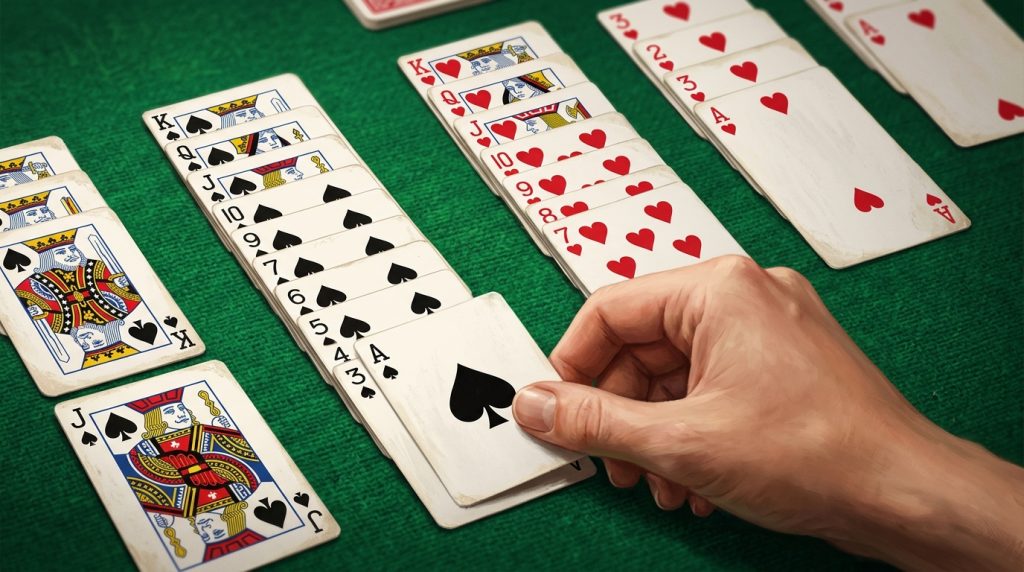
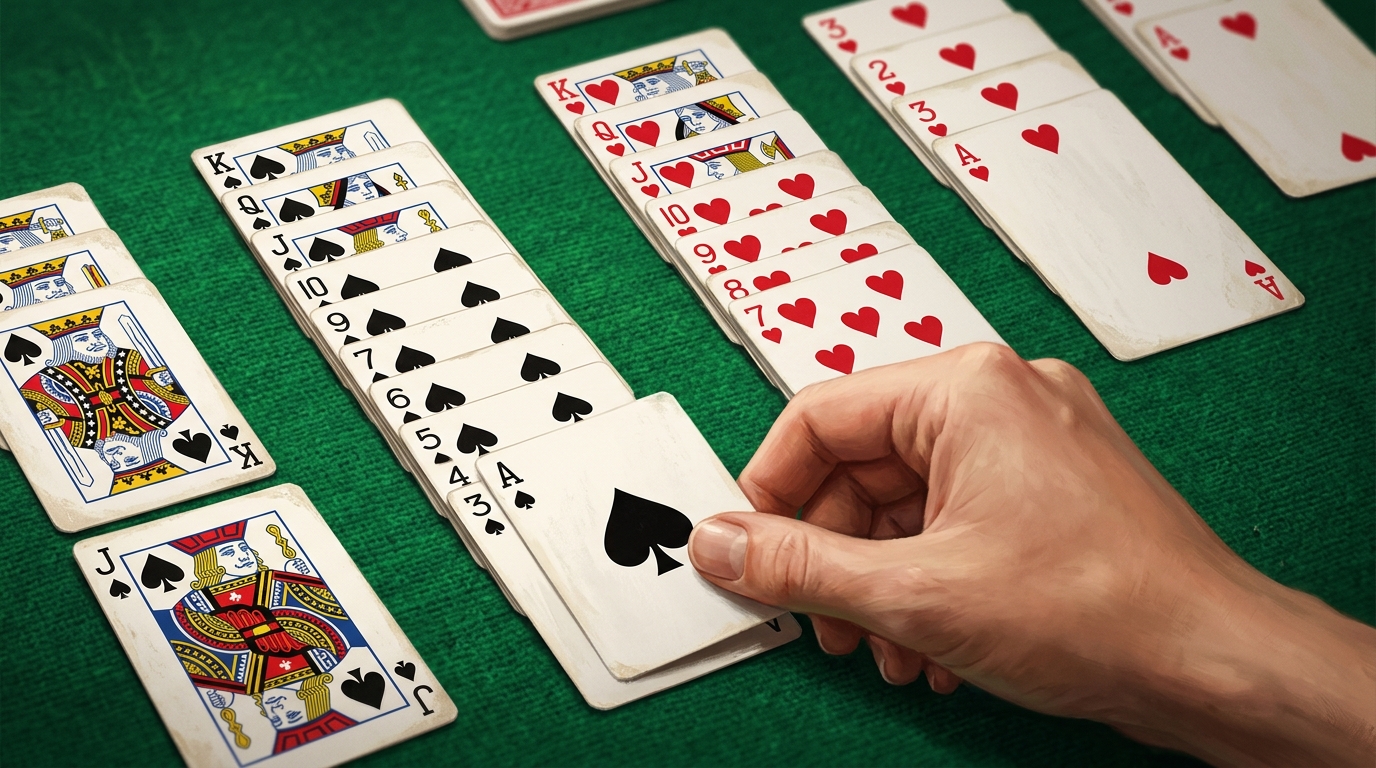
The core rules are straightforward, and Bicycle's Spider Solitaire guide shows how much of the game comes down to building ordered sequences and managing open columns carefully.
Why the game settled onto screens so well
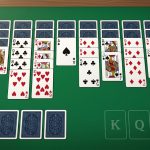
Spider benefits from visibility. Digital layouts make suit runs, face-down cards, and open spaces much easier to track than a table piled with two decks.
What history suggests about its staying power
Even modern web versions still preserve the same basic tension described in strategy explainers like Spider Palace's rule guide: plan now, or pay for it a few moves later.
Why players still return to it
Spider asks for more planning than a lot of casual card games, but it also makes every improvement visible. That is a strong reason to keep coming back.
- Play on Solitaire Spider Online
- Find more spider solitaire posts on Solitaire Spider Online
- Read Bicycle’s Spider Solitaire guide
- Read Spider Palace’s rules guide
That mix of structure and pressure is why Spider still works online. The rules are clear, the mistakes feel teachable, and every clean sequence feels earned.